
Mandolin styles: A body, F body and what actually differs

Mandolin styles: A body, F body and what actually differs
Mandolins come in two obvious outlines and a lot of quiet variation underneath. The outline is the thing people ask about and the least important of the differences.
A style
A simple teardrop body with no scroll and no points. Cheaper to make, lighter, and — because there is less carving and less bracing complication — often better value at a given price.
The tone is generally described as rounder and more even. A style mandolins are common in Irish, folk and old-time playing.
F style
The ornate shape with a carved scroll on the upper bass side and two points. Associated with bluegrass, largely because of who played them.
The scroll is decorative. It does not project sound and it does not change the voice in any way the ear can reliably detect; what it does is take a great deal of skilled labour, which is why an F style costs considerably more than an A style of comparable build quality.
The one practical function of the scroll and points is somewhere to rest the instrument against the body while playing seated, which some players value.
What actually changes the sound
Top wood and construction
A solid carved spruce top is the biggest single determinant of tone and volume. Laminate tops are more robust and less responsive. Where a maker states solid spruce, that matters more than the outline.
Sound holes
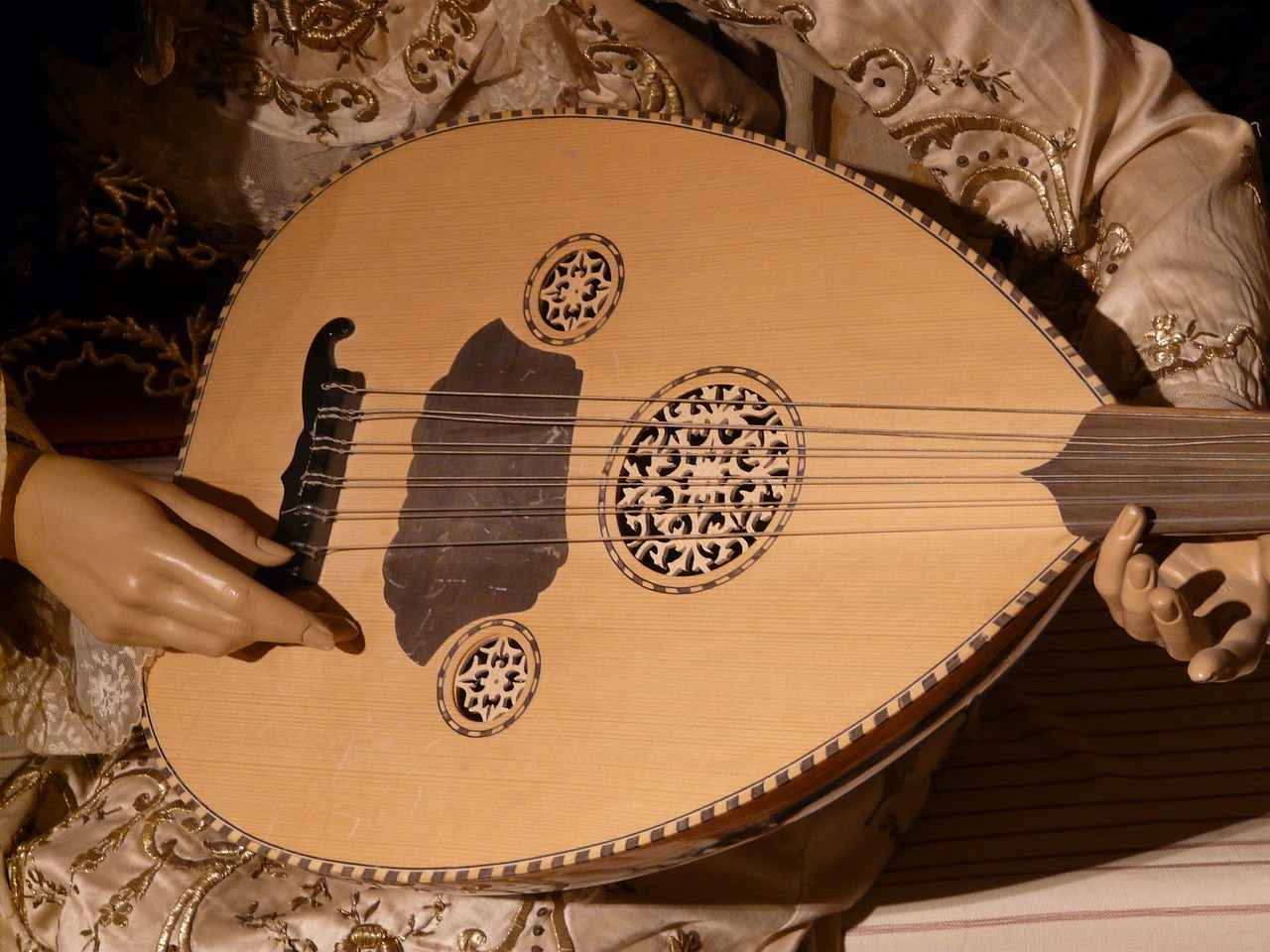
Round or oval holes give a warmer, more open sound with more sustain, suiting Celtic and folk playing. F holes give a drier, more cutting sound with better projection through a band, which is why bluegrass instruments have them.
This choice affects the voice far more than A versus F does.
Scale length and nut width
Small differences here change how comfortable the instrument is under the hand, particularly for players with larger fingers on a doubled-string instrument.
Strings and doubled courses
A mandolin has eight strings in four doubled courses, tuned in fifths — the same as a violin. That means violin players already know the fingering, which is worth knowing if you play one.
Doubled strings must be well matched and well tuned or the instrument sounds out of tune with itself even when a tuner says otherwise. Tuning both strings of each course carefully is a bigger factor in how a mandolin sounds than most players expect.
Acoustic-electric
Models with a fitted pickup allow amplification without a microphone. For playing with others in a loud room, that is a genuine convenience; the acoustic voice is generally unaffected.
Setup
Action at the bridge is adjustable on most mandolins with two thumbwheels. Factory setups are usually high, on the safe side, and lowering the action a little often transforms how an instrument plays.
The bridge is not glued: it is held by string tension and can be moved. That is how intonation is set, and it is also how a bridge ends up in the wrong place after a full string change. Change strings a course at a time.
Practical checks before ordering
- Choose sound-hole type by the music: oval for folk, F holes for cutting through a band.
- Prioritise a solid top over the body outline.
- Do not pay for a scroll expecting a tonal difference.
- Check whether a case, tuner or spare strings are included.
- Change strings one course at a time to keep the bridge in place.
Where this sits in the shop
Everything discussed above comes back to one part of the shop: Violins and Strings, which currently holds 3 listings between $4.99 and $189.99. The whole of it is picked and packed at Music Inn World Instruments, 169 W 4th St, New York, NY, during Mon–Sat 10am–7pm, closed Sunday — so anything written here can be checked by phoning the counter on ((212) 243-5715.
From our shelves
- 8 Pieces Violin Strings Full Set G-D-A-E, Replacement Strings for 4/4 3/4 1/2 1/4 Violins — $4.99
- Violin 4/4 Full Size, AKLOT Acoustic Fiddle for Beginners Adults Solid Maple Kit — $99.99
- ENO MUSIC 4/4 Full Size Violin Kit for Beginners and Adults with Violin Rosin Bow and Hard — $189.99
What we get asked about this
What can I pay with?
Checkout accepts Pay with cards and more, Card, WeChat Pay, Airwallex – Express Checkout, Klarna and Afterpay. Card details are handled by the payment provider and never stored on this site.
Can I return something?
Yes — unused goods, within 30 days of delivery. If the mistake was ours, we pay the return postage. Full detail is on the Refund and Returns Policy page.
Read next
- Violin sizes, and how to measure for one
- Lyre harps: string count and what it changes
- Banjos: open back or resonator
Ordering from Music Inn World Instruments
Orders of $49.00 or more ship free anywhere in the United States, and a flat $5.99 covers everything below that. Handling takes 1–2 business days and carrier transit is normally 3–7 business days. Unused items can go back within 30 days, and if the mistake was ours we pay the return postage.
Questions about anything above go to [email protected], answered within 1 business day, or call (212) 243-5715. Full detail is on the Shipping Policy and Refund and Returns pages.